Conversation 01
When did being a bridesmaid become a second job?
She loves the bride. She wants to make it special. Somehow she is now chasing payments, mediating opinions and checking whether fourteen people have read a message.
Nyree can talk about the invisible work of celebration: who carries it, why it becomes so emotionally loaded, and how to give the organiser room to be part of the memory she’s creating.
The question to open withWhen did being someone’s best friend start requiring project management skills?
Conversation 02
“Thoughts, girls?” Two words that can derail a hens.
Ask fifteen people what they want to do and you can end up with fifteen different celebrations. The bride’s wishes can become surprisingly hard to hear.
Nyree has spent years helping organisers move from an open-ended collection of opinions to something people can actually say yes to.
There’s a useful conversation here about making decisions, handling money sensitively, and keeping the person being celebrated at the centre.
The question to open withWhat should you send the group chat instead of ‘What does everyone want to do?’
Conversation 03
Why do we need a wedding to get the girls together?
We say we’ll book the weekend. We mean it. Then someone’s roster changes, someone’s child gets sick and the catch-up moves another three months.
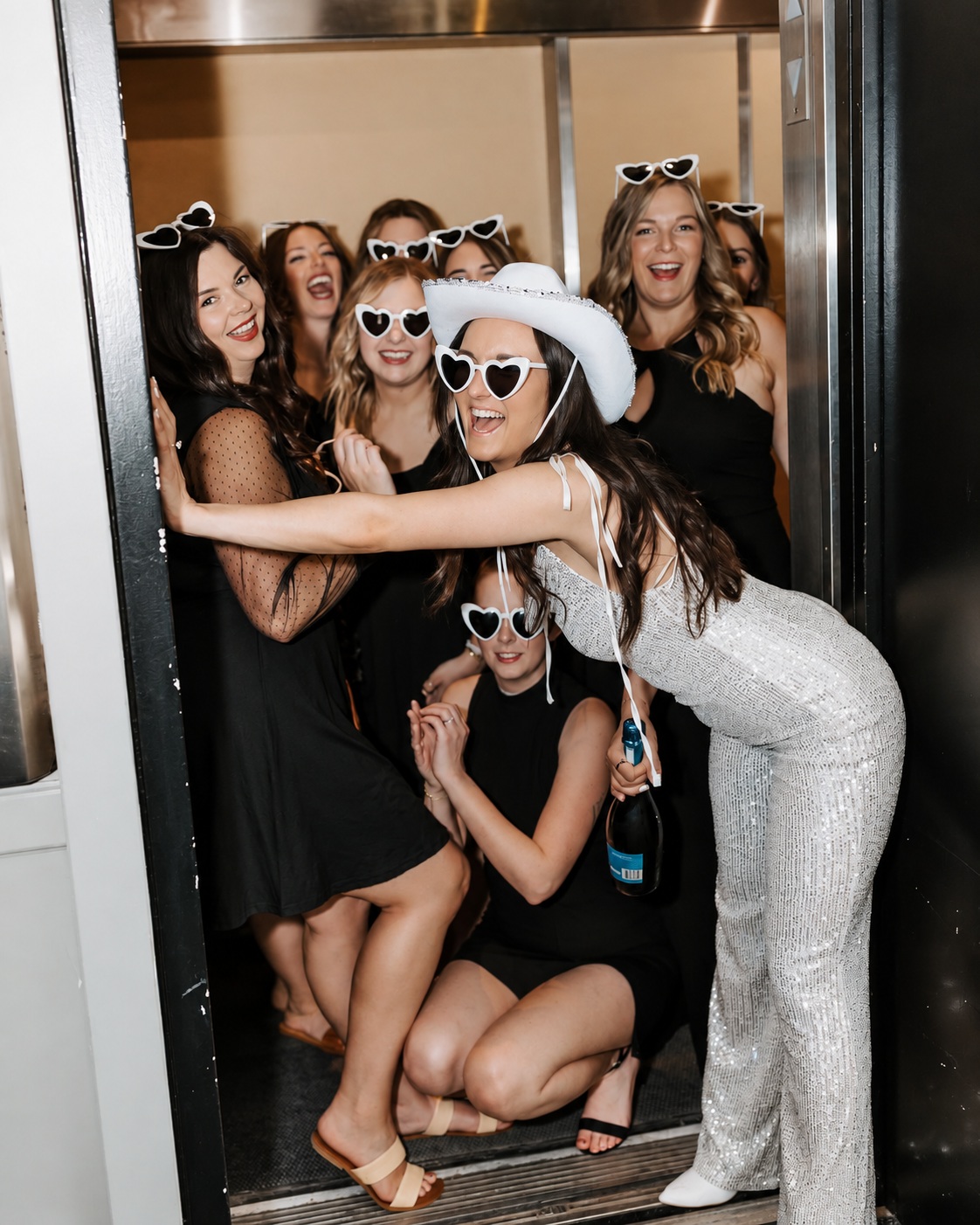
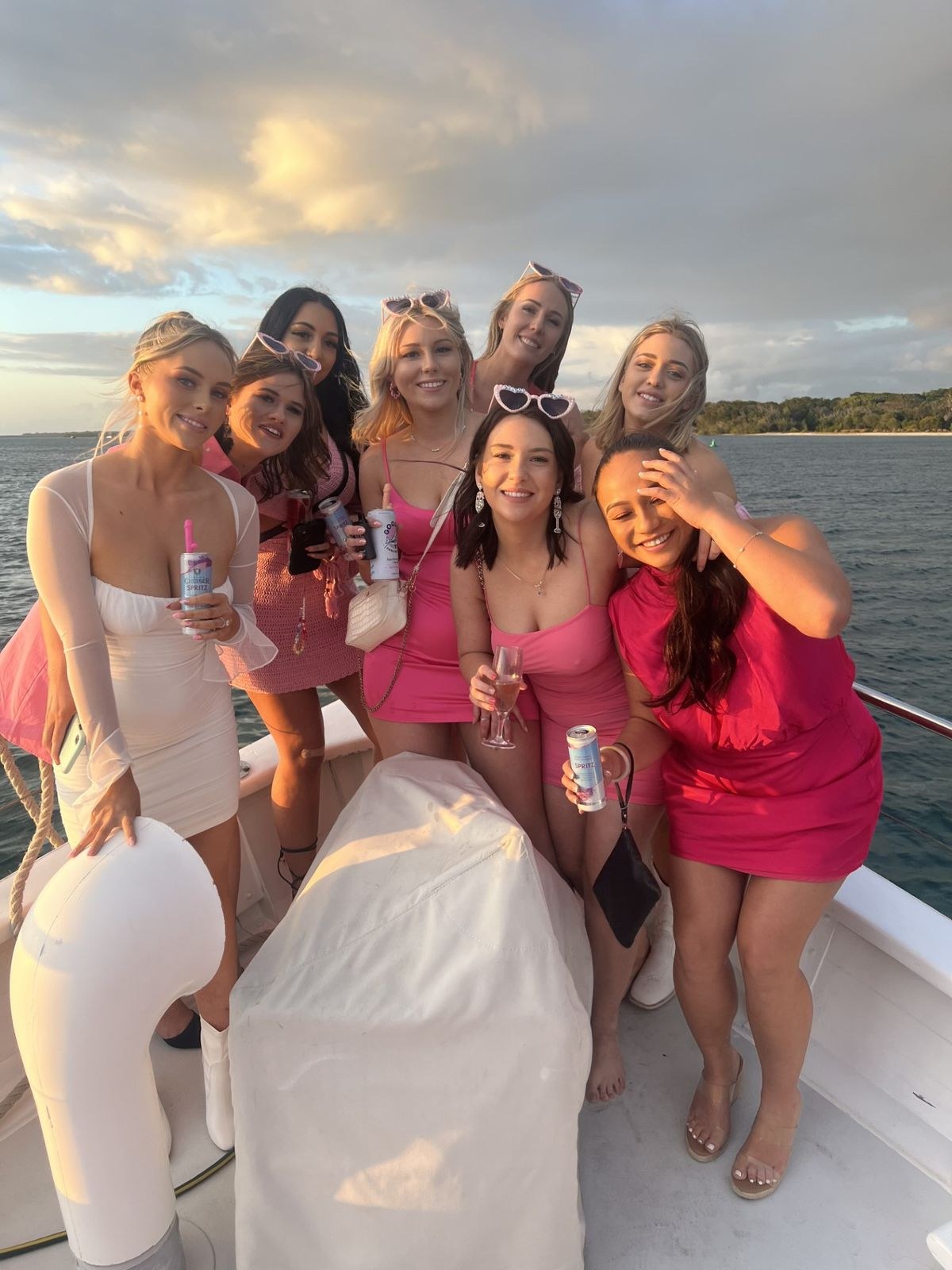
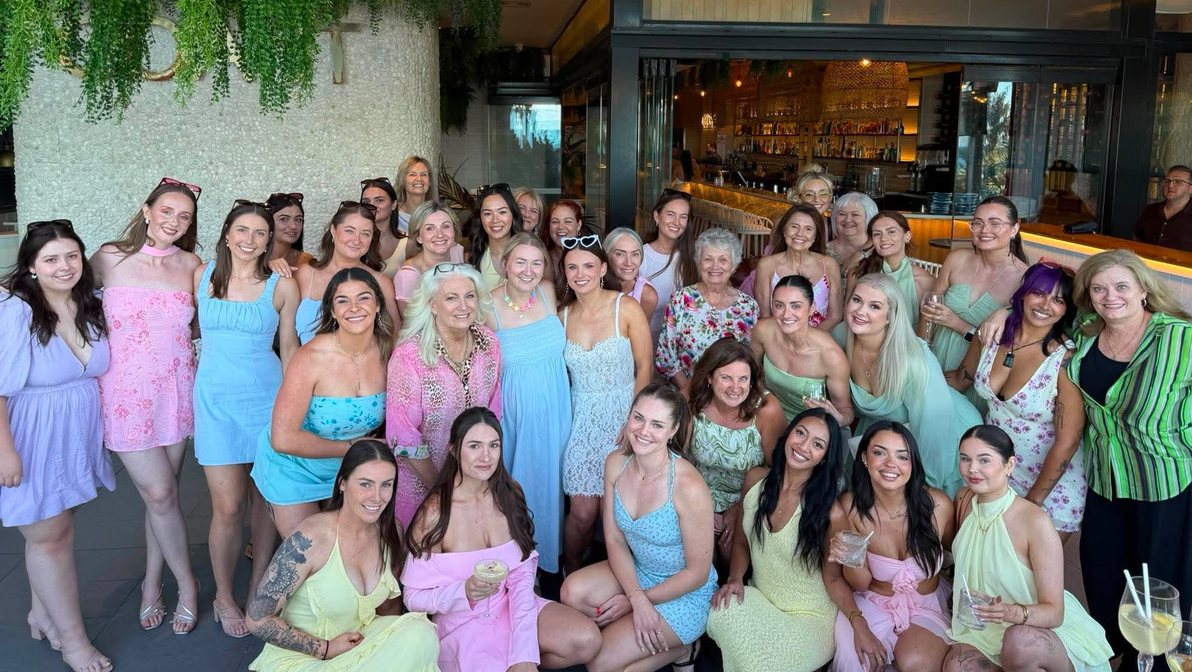
A hens gives friendship a date in the diary. People make the trip. Someone puts the playlist on. For a few hours, the friends who know every era of you are in the same room.
Nyree’s perspective on hens as a modern friendship ritual brings depth to conversations about adult friendship, belonging and making room for joy.
The question to open withWhat are women actually celebrating at a hens?
Conversation 04
A beautiful party can still be completely wrong for her.
The photos look incredible. Everyone says it’s lovely. The bride is grateful.
But did she feel understood?
Nyree can unpack the difference between choosing something impressive and choosing something that makes your best friend say, “How did you know?”
Including why the bride who wants a rodeo theme should get her rodeo theme, even if everyone else has already been to three.
The question to open withAre we planning a celebration for our friend, or for everyone watching?
Conversation 05
The best part of your product might be invisible.
A drink arriving at the right moment. A performer who knows how the bride likes to be celebrated. A pickup point that keeps the group together. An organiser who finally puts her phone away.
These are business decisions with emotional consequences.
Nyree founded My Ultimate Hens around a clear idea: the package is the product. The timing, crew, transitions and atmosphere belong in the design from the beginning.
For business audiences, she can open up how you turn judgement into a repeatable experience, build standards across six cities, and make care something a team can deliver consistently.
The question to open withHow do you build a business around a feeling?
Conversation 06
Champagne, cowboy strippers and a conversation about belonging.
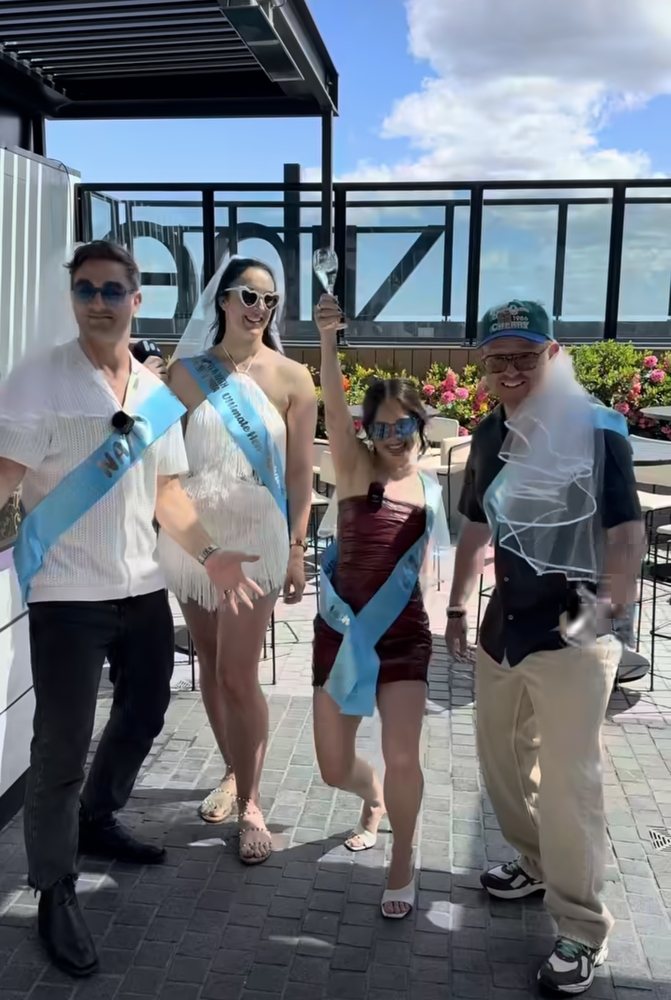
Nyree has room for the cheeky side of hens and the sentimental side. Often at the same party.
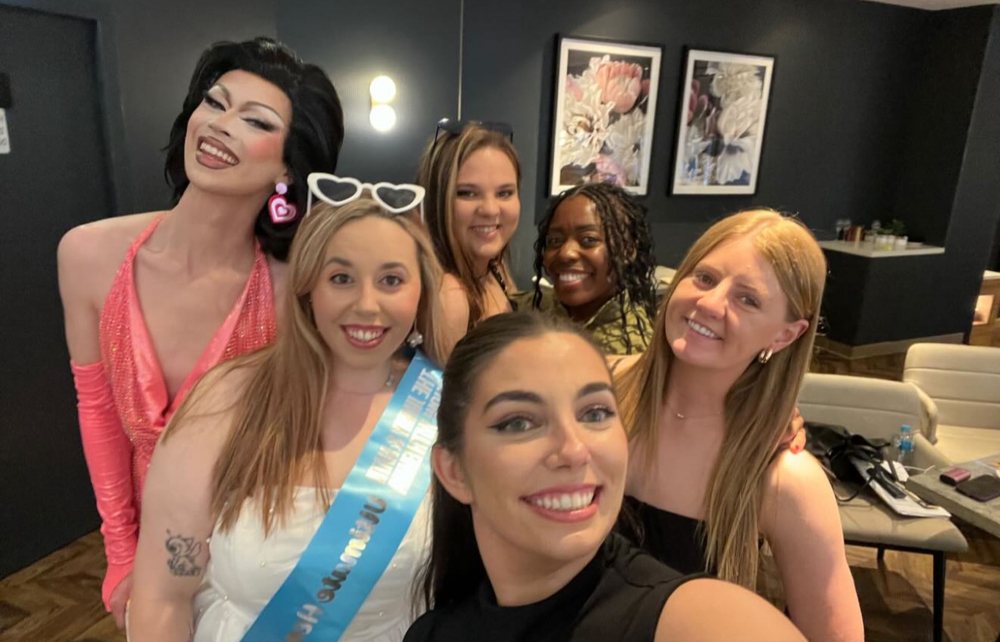
She can talk about celebrating different personalities, mixed friendship groups, sober guests and LGBTQIA+ celebrations, including why she created Rainbow Hens.
At the centre is a practical question: can everyone relax enough to enjoy being themselves?
The question to open withHow do you make someone the centre of attention without making them uncomfortable?
Conversation 07
Fifteen years of watching the hens change.
From cupcake making and Shakira-inspired belly dancing to drag queens, crafternoons, bathhouse days and last-rodeo weekends, Nyree has watched different ideas take their turn.
She can share what her own groups have asked for over the years, what changes with the theme, and what keeps bringing people back to the same feeling.
A conversation full of recognisable eras, excellent outfit choices and the friendship moments underneath them.
The question to open withWhat has changed most since 2011, and what hasn’t changed at all?